Start with the part, not the brand
Toys, architectural models, enclosures, fixtures, spare parts and products for sale all need different build volume, materials and budgets.
Start with the real task: part size, material, chamber, color system and service. This guide keeps the choice practical so you do not overpay for features that will not matter.
A good printer is not the one with the largest number in the spec sheet. First comes the task, then the material and part size, then convenience, service and only after that the brand or model.
Toys, architectural models, enclosures, fixtures, spare parts and products for sale all need different build volume, materials and budgets.
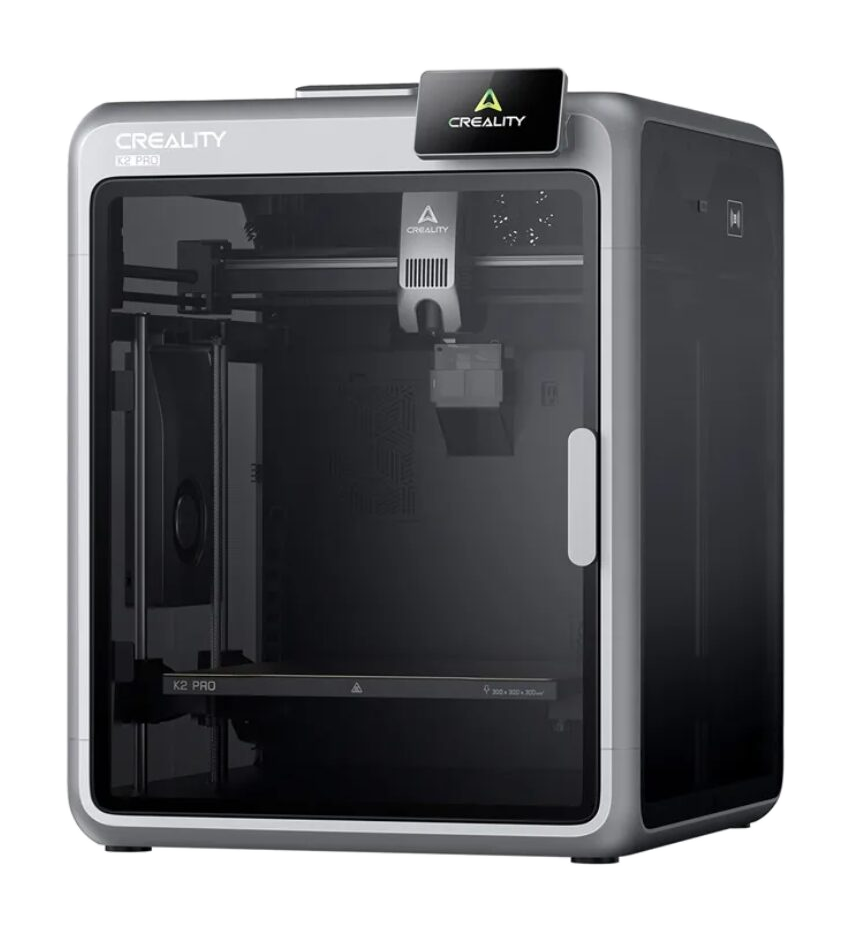
PLA and PETG cover most simple projects. ABS, ASA, nylon, carbon composites and PC usually need a closed chamber and a more stable setup.
In 2026 fast printing is normal. Reliability, profiles, calibration, mechanics, spare parts and support matter more than a headline number.
Take a build area 20-30% larger than your typical part. A very large printer is not always better at home, but reserve volume pays off in a workshop.
A printer also needs filament, nozzles, plates, sometimes a dryer and setup help. The best choice is the one you can keep running without long pauses.
It lowers the entry barrier, but it does not replace solid mechanics and support. For a first printer it is almost mandatory.
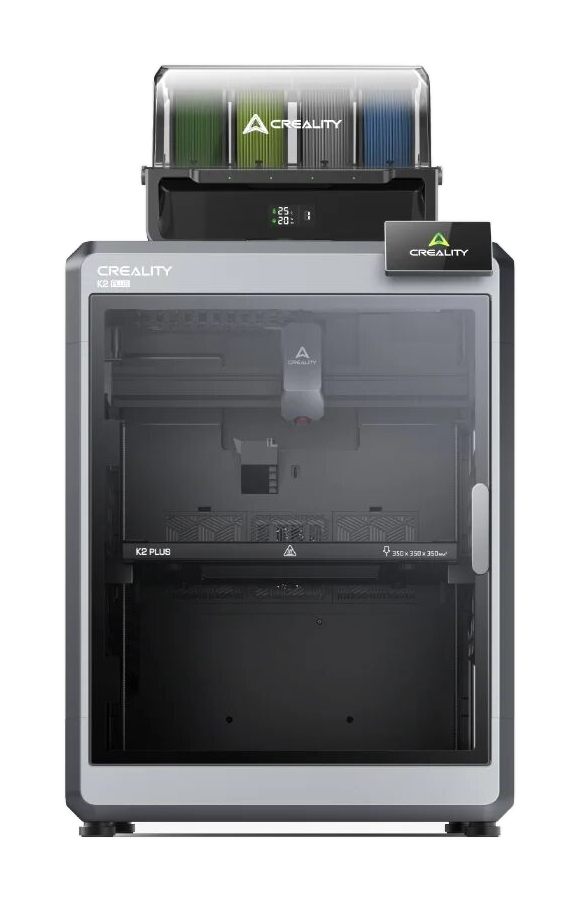
Multicolor systems are excellent for gifts, educational models and presentation pieces. For technical parts, chamber, volume and materials are often more important.
For ABS, ASA, PC, PA and outdoor parts, chamber stability is more important than promises about record speed.
If the printer is for work, downtime costs more than a small discount. Check parts, consumables and real help before buying.
Use these practical scenarios to understand where it is worth paying more and where a simpler model is enough.
Auto calibration, quiet work, compact size and simple software. For PLA/PETG, an open model is often more practical than an expensive closed printer.
Look at volume, repeatability and mechanical resource. CoreXY motion, fast heating, rigid frame and available consumables matter here.
You need a closed chamber, stable hotend, suitable build plate and filament drying. The real value is a predictable functional part.
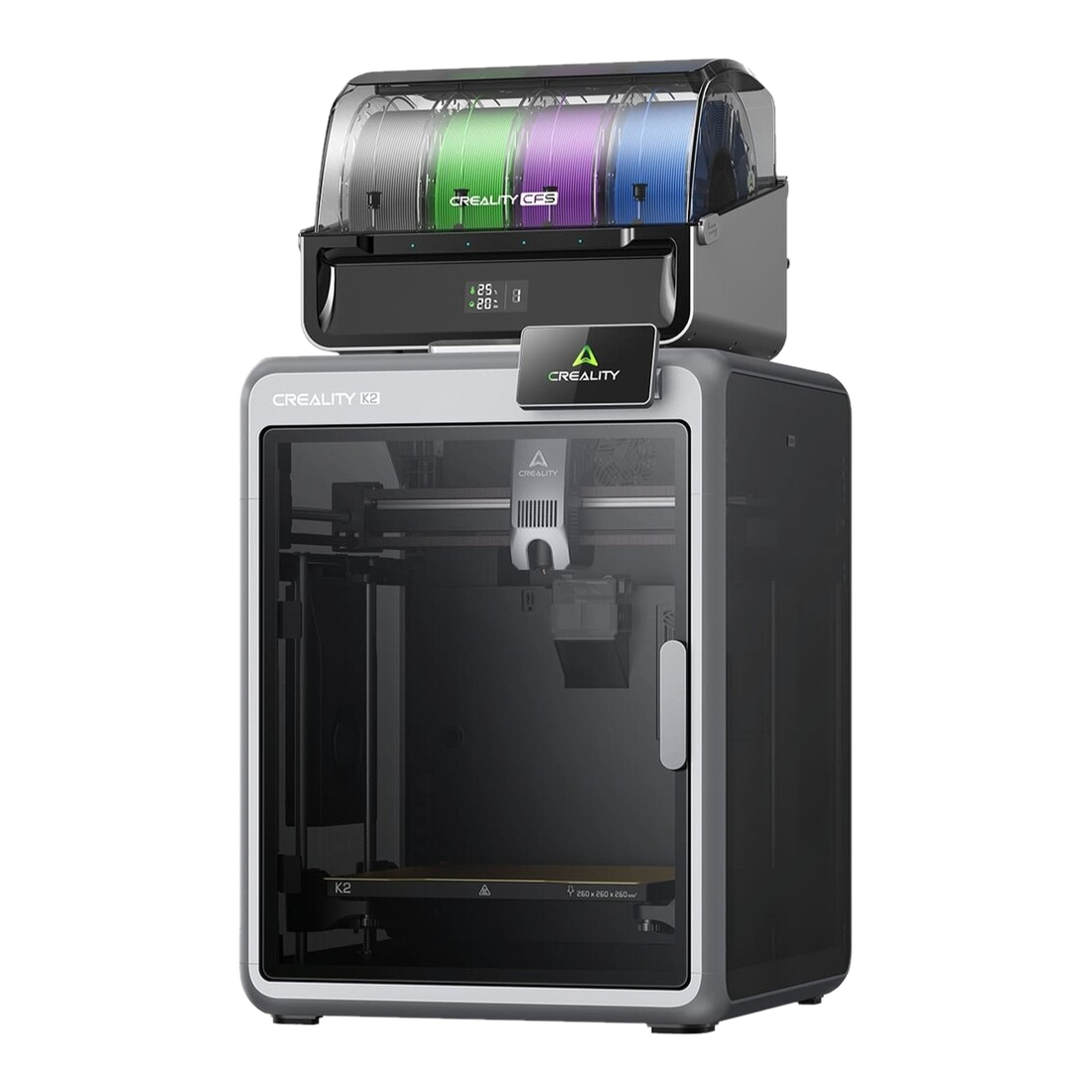
Choose AMS/CFS/Combo when color is part of the finished model. For occasional color changes, manual swaps may be enough.
Describe size, material, quality and budget. We will explain where a simple printer is enough and where a closed model or Combo makes sense.
This short checklist removes most doubts before you choose a model.
Choose a build area with 20-30% reserve, especially for enclosures, mockups and production fixtures.
PLA is a simple start, PETG is practical, while ABS, ASA and composites prefer a closed printer.
Combo systems are not always necessary, but they strongly improve presentation, educational and gift models.
Nozzles, hotends, plates, gears and filters should be available without long waiting times.
Plan filament, adhesive or spray, spare nozzles and a dryer for PA, TPU or other moisture-sensitive materials.
For the English catalog we keep a curated set of core models. Ask us for availability, configuration and delivery details before purchase.